The True Cost of Cheap Property: Hidden Costs and Risks Buyers Often Miss
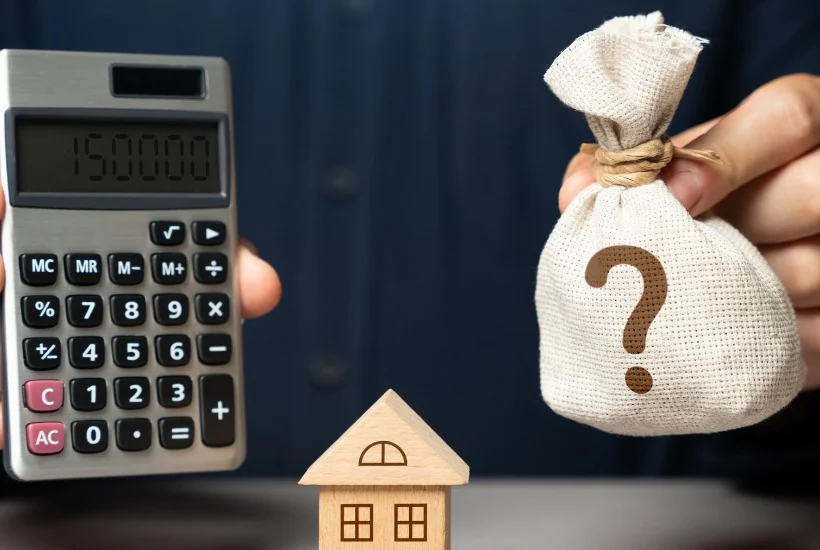
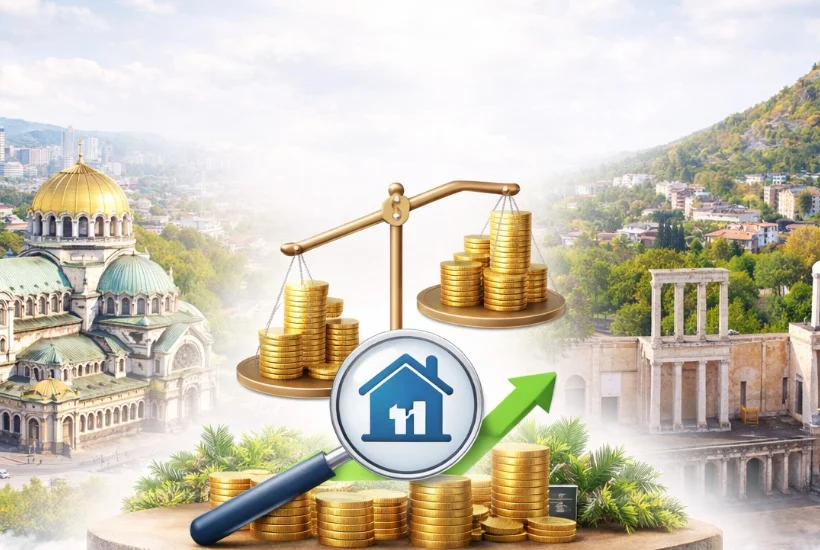
The true cost of a cheap property is often hidden behind an attractive offer and a low purchase price. Many buyers in Bulgaria focus on the final price without considering the real expenses that follow after the purchase.
In real estate practice, this is one of the most common scenarios — a client buys a “good deal” property and then ends up investing significantly more in renovations, legal compliance, or even resolving legal issues. In active markets such as Sofia, Plovdiv, and Varna, cheap properties are rarely undervalued by accident.
What Does “Cheap Property” Really Mean?
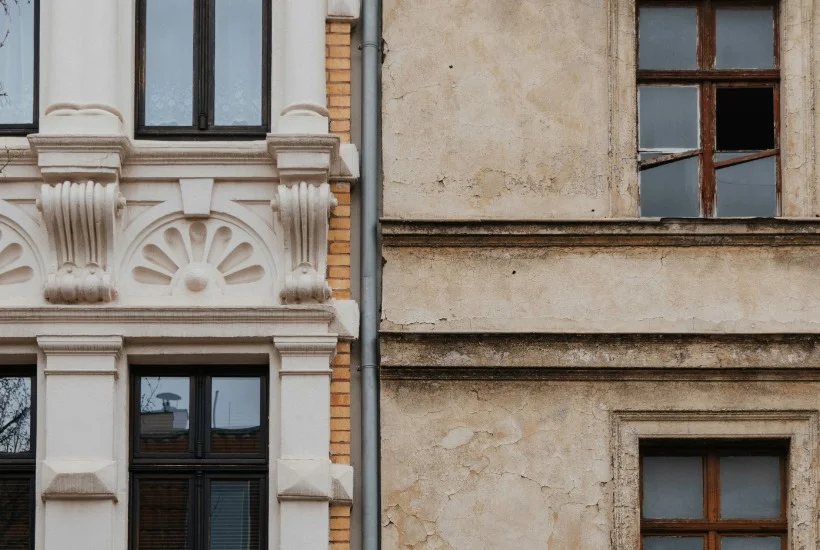
A cheap property is one priced significantly below the market average for its area, construction type, and condition. In most cases, this signals a compromise — technical, legal, or location-related.
Most common reasons for a low price:
✓ poor condition (requires major renovation)
✓ unresolved documentation or legal encumbrances
✓ problematic building or construction quality
✓ weak location or lack of infrastructure
✓ low liquidity (difficult to resell)
The Main Hidden Costs of Cheap Property
1. Renovation and Finishing Costs
This is the most underestimated factor.
Example: Low-cost apartment in an older panel building in Plovdiv:
✓ electrical system: €2,000 – €3,500
✓ plumbing: €1,500 – €2,500
✓ bathroom and kitchen: €4,000 – €7,500
✓ windows, flooring, plastering: €5,000+
Total renovation costs can exceed 30–40% of the property price.
2. Legal and Documentation Risks
This is the most dangerous category because issues are not always immediately visible.
Possible problems include:
✓ co-ownership and unresolved inheritance cases
✓ encumbrances (mortgages, liens)
✓ lack of Act 16 (occupancy permit)
✓ illegal alterations
Resolving these issues can take months or even years and cost thousands.
3. Location and Future Liquidity
A cheap property often involves compromises in:
✓ transport connectivity
✓ infrastructure
✓ neighborhood quality
Important:
Even after renovation, such a property may remain difficult to sell or fail to generate strong rental returns.
4. Ongoing Maintenance and Hidden Defects
Older buildings or poor construction quality often lead to:
✓ leaks
✓ roof or facade problems
✓ shared maintenance costs
These expenses accumulate over time and can significantly impact your budget.
Common Mistakes When Buying Cheap Property
-Focusing only on price — ignoring total investment
-Skipping technical inspection — no expert evaluation
-Underestimating renovation costs — “we’ll fix it cheaply” is rarely true
-Ignoring legal due diligence — risk of serious legal issues
How to Evaluate the Real Cost of a Property
Step-by-step approach:
- Compare the price with the market
– same neighborhood
– same construction type - Calculate renovation costs
– add at least a 20–30% buffer - Check documentation
– ownership
– encumbrances
– permits - Assess liquidity
– can it be easily resold in 5 years? - Consult a real estate professional
– true value often requires experience
When Is a Cheap Property Actually a Good Deal?
There are cases where a low price is justified and even advantageous:
✔ Good location
Even a property needing renovation can have strong potential in a desirable area.
✔ Clear and controlled renovation
When costs are predictable and manageable.
✔ Investment strategy
Flipping (buy–renovate–sell) or long-term rental income.
In practice, the best deals are not the cheapest ones, but those with clear potential and controlled costs. The difference between a smart investment and an expensive mistake often lies in details that are not visible at first glance.
If you are considering buying a “bargain” property and want to understand its real value before making a decision, the TRIVIUM ESTATE team can provide an objective evaluation based on real market data and practical experience. One conversation with the right consultant can save you thousands of euros — and many future problems.
Последни публикации


Най-горе